
OUR TEXTILE CORE
Knitting
Designing and pioneering the possibilities of 3D form

1 / 4
The Origin of Knitting, Engraved in the Sea and Machinery
Kazuma's origin lies in the Ayukawa Factory, built along the coast of Ayukawa Town, Fukui. The knitting craft that began here with a single knitting machine still breathes as the core of our manufacturing today.Our founder, who was himself an engineer,imparted his philosophy on engaging with craftsmanship: “Fiber is a living thing,” “Become fully thread, become fully machine,” and “God is in the details.” This place, where nature, factory, and people coexist, is the very landscape where Kazuma's philosophy was nurtured.
2 / 4
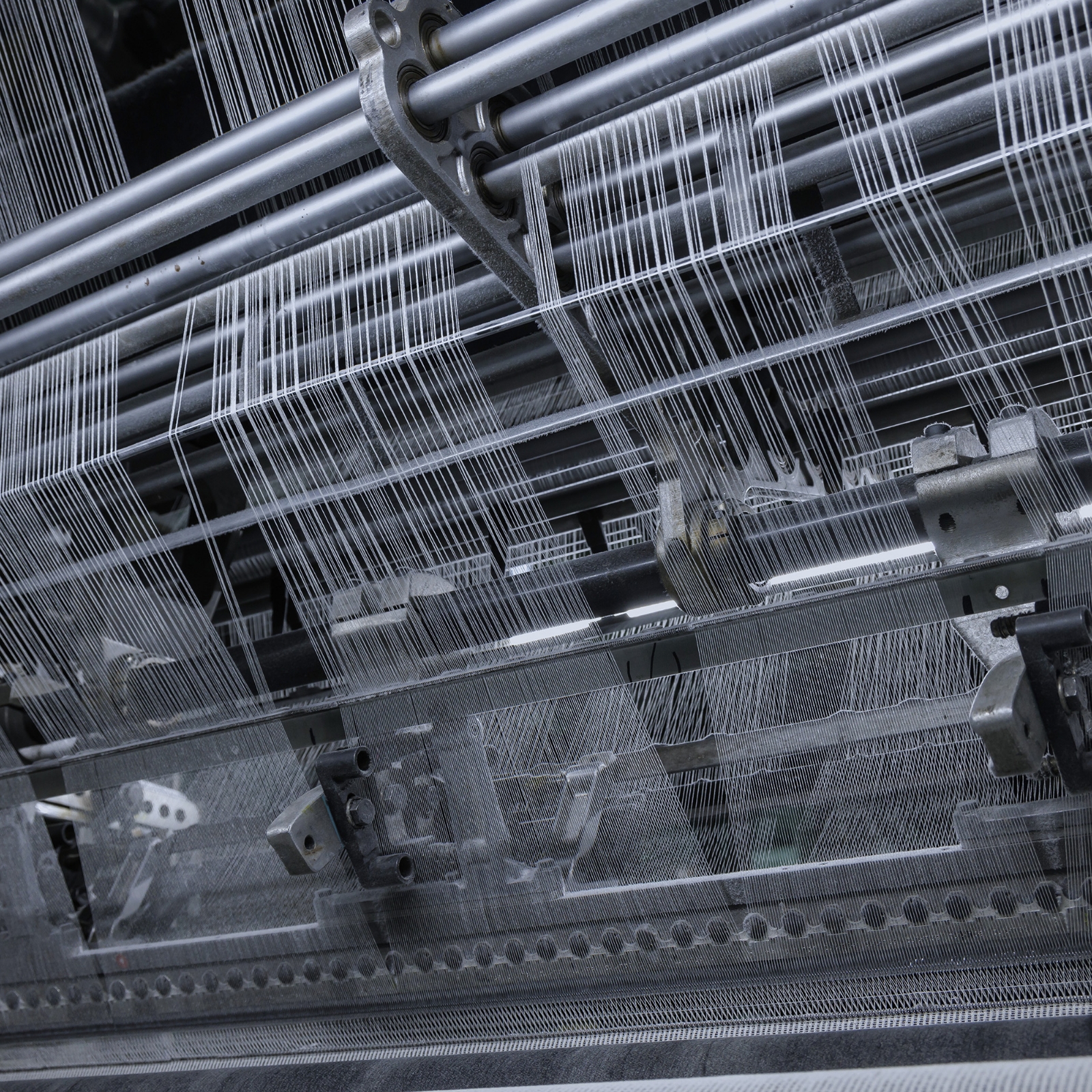
The Depth of Knit Expression Supported by Multiple Machine Types
The Ayukawa Factory operates eight specialized knitting machines dedicated to pattern expression, including rare models found nowhere else in Japan. While multiple machine types typically complicate production management and are generally considered inefficient, Kazuma has overcome this challenge through skilled artisans and advanced process control. During pattern changes, artisans collaborate to achieve rapid process transitions. This enables the stable supply of high-quality, rare knitted lace that consistently meets diverse demands.
3 / 4
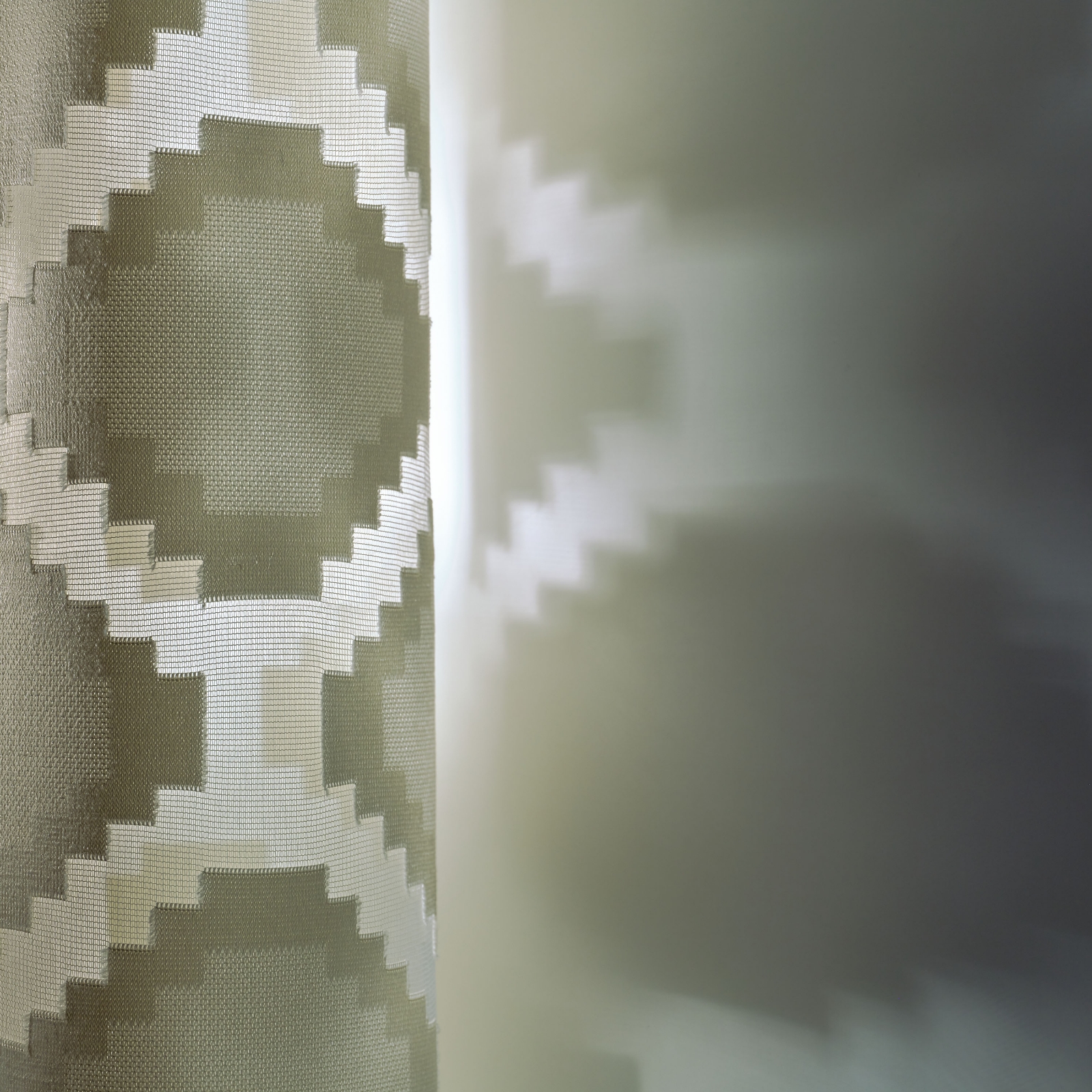
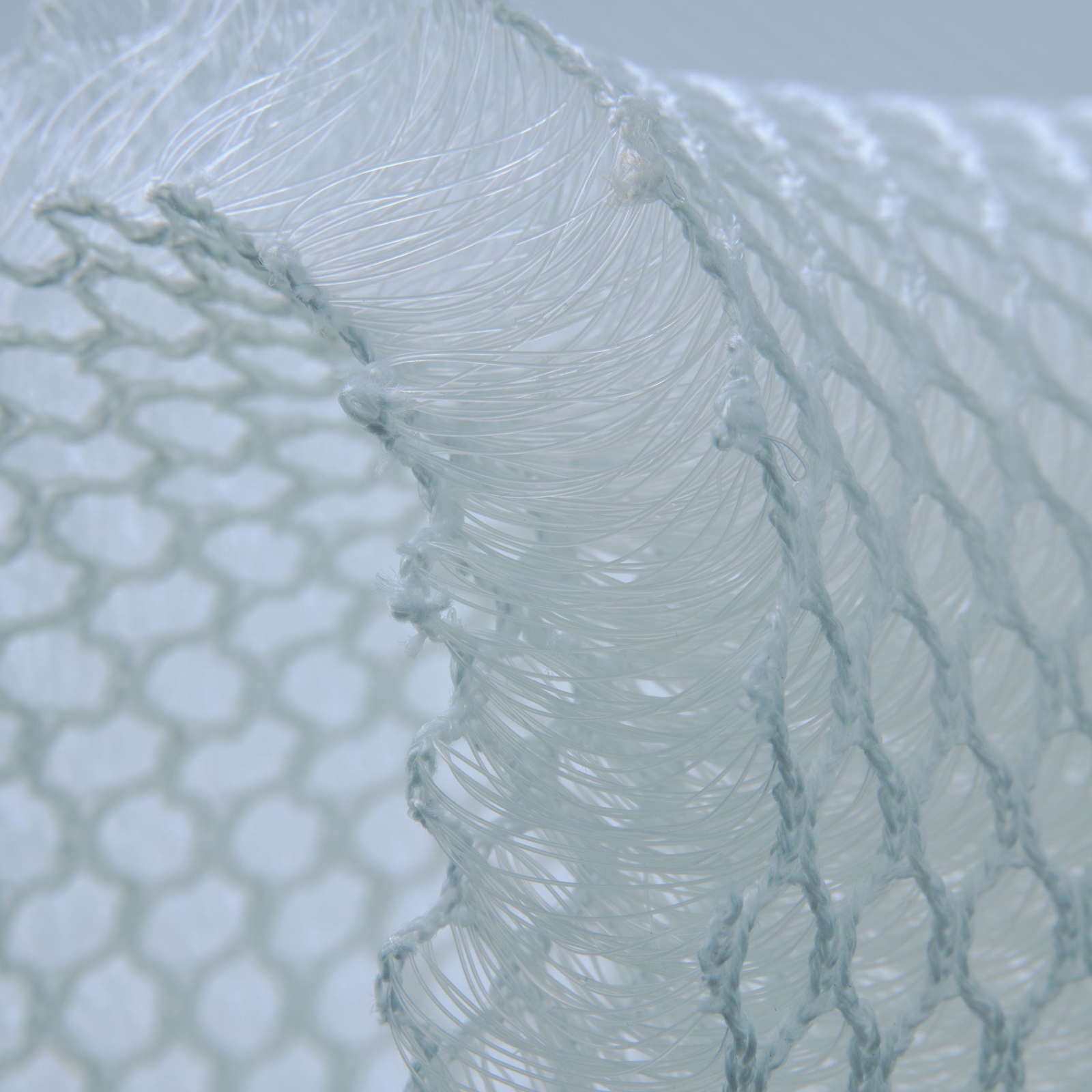
The 3D Beauty Unique to Knitwear Created by Loops
Knitting is a technique that shapes fabric by three-dimensionally assembling loops of yarn. Unlike woven fabrics, which have a grid-like flat structure, knitting uses a reed that moves front, back, left, and right to knit yarn in mid-air, creating softness, depth, and rich texture. At the Ayukawa Factory, the “No. 10 Machine,” operating for about 50 years, deftly manipulates 78 reed plates to create sophisticated ornamentation. Its potential is maximized by the hands of skilled artisans.
4 / 4
Advancing Knitting Technology to Pioneer Future Textile Culture
Knitting technology, leveraging its elasticity and seamless three-dimensional structure, is expanding its applications across diverse fields, including textiles for fashion and spatial design. Moving forward, we will also tackle the development of three-dimensional objects addressing social challenges, the differentiation of high-gauge and low-gauge knitting, and the creation of materials with unique added functions. The potential of knitting technology remains largely unexplored. Kazuma will continue to lead the future of textile culture alongside the deepening of knitting.